


For World Plant Milk Day, much of the conversation naturally focuses on what goes into the carton: oats, soya, almonds, coconut or another plant-based ingredient. What receives less attention is what happens before it gets there.
There can be a perception that plant-based milk production is fundamentally different from conventional dairy processing. The raw materials may be different, but once production reaches industrial scale, many of the processing principles and associated workplace considerations are familiar to anyone working in food and beverage manufacturing.
Plant Milk Can Be Pasteurised Too
Pasteurisation is often associated specifically with cow's milk, but heat treatment is also used in the manufacture of many plant-based drinks.
The exact process varies according to the product and required shelf life. Depending on the manufacturing method, a plant-based drink may undergo pasteurisation or higher-temperature treatment such as UHT processing to control microorganisms and improve product stability.
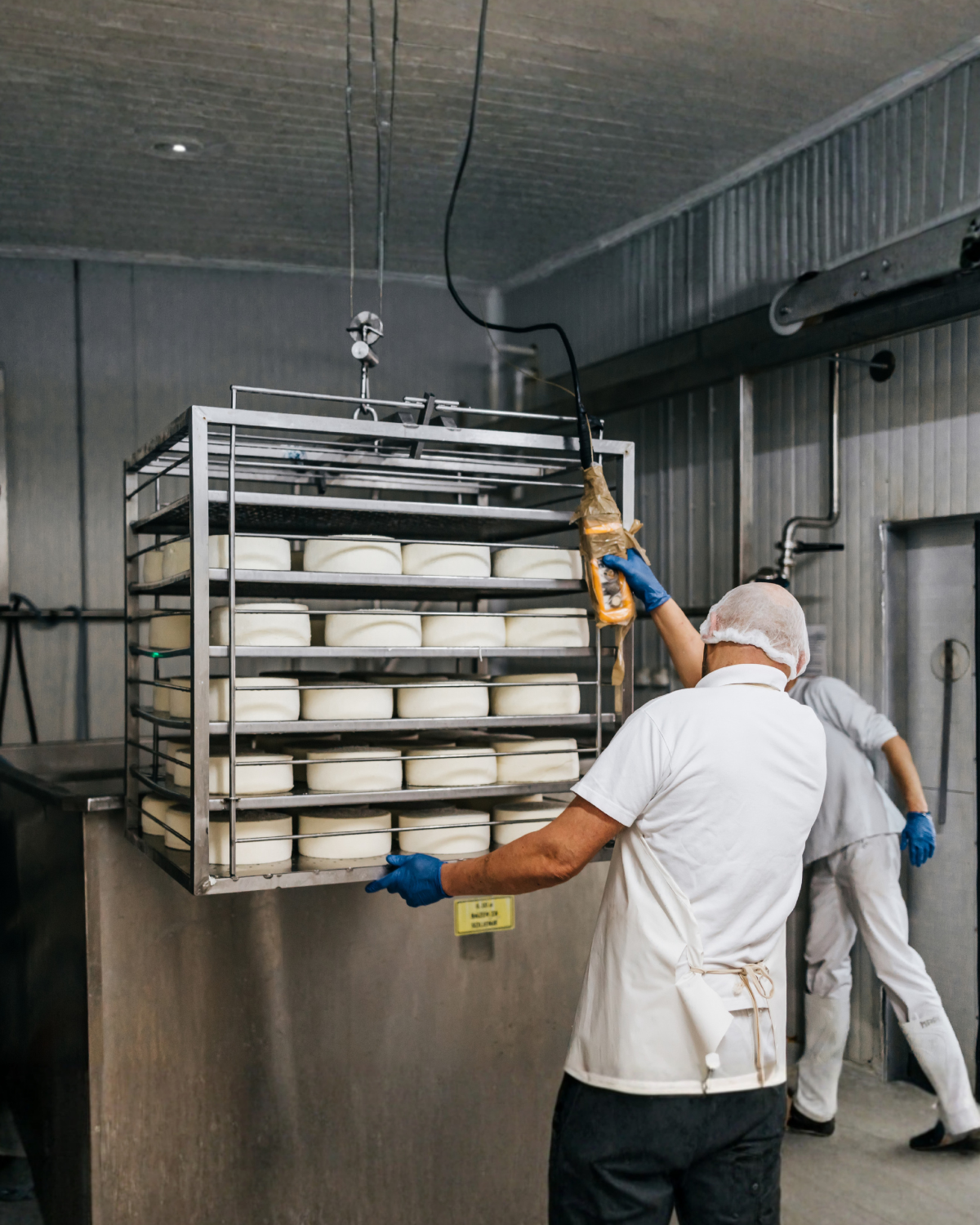
Before reaching that stage, production can involve soaking or milling the raw material, extraction, filtration, blending and homogenisation. This is followed by heat treatment, cooling and packaging.
From an occupational safety perspective, this means a plant-based facility can contain many of the same types of process environments encountered elsewhere in food and beverage manufacturing.
Different Ingredients, Familiar Workplace Hazards
Heat treatment introduces an obvious consideration: thermal conditions around processing equipment.
Pasteurisers, heat exchangers, steam systems and other process equipment can contribute to elevated temperatures within production areas. During warmer weather, or where employees are carrying out physically demanding work or wearing protective clothing, this can contribute to occupational heat stress.
Refrigeration is another area worth considering. Large food manufacturing facilities depend on refrigeration to maintain process and storage temperatures. Depending on the refrigeration system in use, gases such as ammonia or carbon dioxide may present a potential leak hazard requiring appropriate detection and monitoring.
Cleaning presents a further consideration. Food production facilities require stringent hygiene controls, with cleaning-in-place (CIP) systems and scheduled washdowns forming part of normal operation. Chemicals used during cleaning and disinfection need to be included within the site's wider COSHH and occupational hygiene assessments.
There may also be confined-space risks associated with tanks, vessels and other process equipment during maintenance, cleaning or inspection activities.
The important point is that the hazard profile should be determined by the process, equipment and substances present at the individual facility, rather than assumptions based on whether the finished drink contains dairy.
Look Beyond the Finished Product
As plant-based manufacturing capacity develops, new production lines and facility modifications provide an opportunity to review worker exposure alongside food safety, production efficiency and product quality.
For health and safety teams, that can mean examining where heat is generated, which gases and chemicals are present, how refrigeration plant is monitored, where employees spend their working day and what happens during maintenance or abnormal operating conditions.
World Plant Milk Day is a useful reminder that changing the ingredients does not remove the industrial processes behind food manufacturing. Understanding those processes is the starting point for deciding what needs to be measured, monitored and controlled.
Monitoring Your Food & Beverage Facility?
Shawcity supports food and beverage manufacturers across the UK and Ireland with gas detection, heat stress, air quality and occupational hygiene monitoring solutions.
If you're reviewing an existing plant, expanding production or introducing new processes, speak to our technical team about the hazards that may need monitoring across your facility.



 01367 899553
 info@shawcity.co.uk