

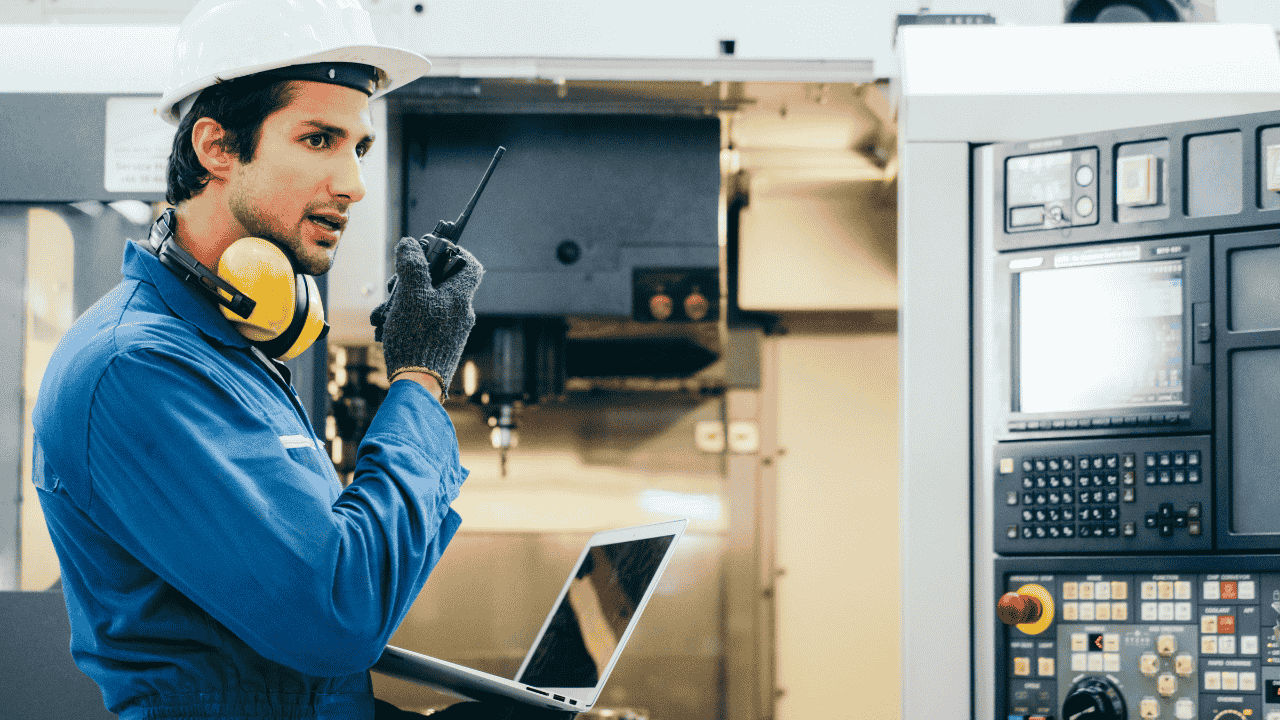
In high-risk industrial environments, gas detection is not simply a compliance requirement, it is a critical component of operational risk management. For health and safety leaders, operations directors, and safety professionals, the decision between using portable and fixed gas detection systems is not always straightforward.
Both technologies serve distinct purposes, and in many cases, the most effective safety strategy involves a combination of the two. This guide provides a detailed, practical comparison to help organisations evaluate which approach aligns with their operational, regulatory, and safety requirements.
Understanding the Role of Gas Detection in Industrial Risk Management
Gas hazards, whether toxic, flammable, or oxygen-related, present invisible risks that can escalate rapidly. Effective gas detection is designed to:
- Provide early warning of hazardous conditions
- Enable timely intervention and evacuation
- Ensure compliance with regulations
- Protect both personnel and infrastructure.
The challenge lies not in whether to deploy gas detection, but in how to deploy it effectively across different environments and workflows.
Portable Gas Detectors: Mobility and Personal Protection
Portable gas detectors are designed for worker-level protection, particularly in dynamic or unpredictable environments.
Key Characteristics
- Wearable or handheld devices used by individual workers
- Single- or multi-gas capability
- Real-time alerts via audible, visual, and vibration alarms
- Some models are connected, offering real-time alerts to remote support teams
- Downloadable data for reporting.
Where Portable Detection Excels
Portable gas detection is essential in environments where gas risks are not fixed to a single location:
- Confined space entry (tanks, silos, sewers)
- Maintenance and inspection activities
- Temporary worksites or project-based operations
- Utilities and field service engineering
- Lone worker situations (some devices have additional functionality, such as Man Down alarms)
- Walk-through surveys
- Temporary area monitoring.
Strategic Advantages
- Worker-centric safety – protection follows the individual and problem locations can be identified
- Lower upfront infrastructure cost.
Limitations to Consider
- Limited visibility beyond the individual wearer
- Limited number of gases can simultaneously be identified
- Fleets need maintenance and have a finite operating life
- Not suitable for continuous area monitoring.
Fixed Gas Detection Systems: Continuous Area Monitoring
Fixed gas detection systems are engineered for permanent installation, providing continuous monitoring of specific zones or processes.
Key Characteristics
- Strategically installed sensors across facilities, factoring in different requirements such as mounting heights matched to gas behaviours
- Integrated with control panels, alarms, and shutdown systems, or complete building management systems
- Designed for 24/7 operation in hazardous environments
- Virtually unlimited number of sensors and components per system
- Ability to simultaneously detect multiple gases.
Where Fixed Detection Excels
Fixed systems are critical where gas risks are persistent, predictable, or process-driven. Ideal for areas which are not constantly manned or where constant high-level vigilance is needed:
- Oil & gas facilities and petrochemical plants
- Manufacturing and processing environments
- Industrial or commercial settings
- Farming and agricultural production
- Waste and water treatment facilities
- Laboratories and R&D facilities
- Pharmaceutical and biotech
- Facilities and boiler rooms
- Chemical production and storage
- Food and beverage facilities
- Tunnels and car parksRefrigeration facilities
- Battery charging environments.
Strategic Advantages
- Continuous monitoring without reliance on personnel
- Pre-entry warning, with issues visible on alarm panels at strategic access points
- Centralised visibility across entire facilities or sites
- Integration with automated safety responses (e.g., ventilation, shutdowns)
Limitations to Consider
- Higher initial capital investment
- Requires engineering design and installation planning
- Less adaptable to changing layouts or temporary operations
- Regular service and maintenance intervals are essential.
Conclusion
Understanding what gases should be monitored and how is fundamental to protecting workers and maintaining compliance.
While oxygen, flammable gases, carbon monoxide, and hydrogen sulphide form the core monitoring requirements, many environments demand a more tailored approach. Combining the right detection technology with proper maintenance and expert guidance is key to reducing risk. A site survey from a competent gas detection supplier is the best recommended starting point, to assess the risks and combination of factors that will affect the ability to accurately measure the presence of any gas.
%20(1280%20x%20720%20px).png)
.png)

 01367 899553
 info@shawcity.co.uk