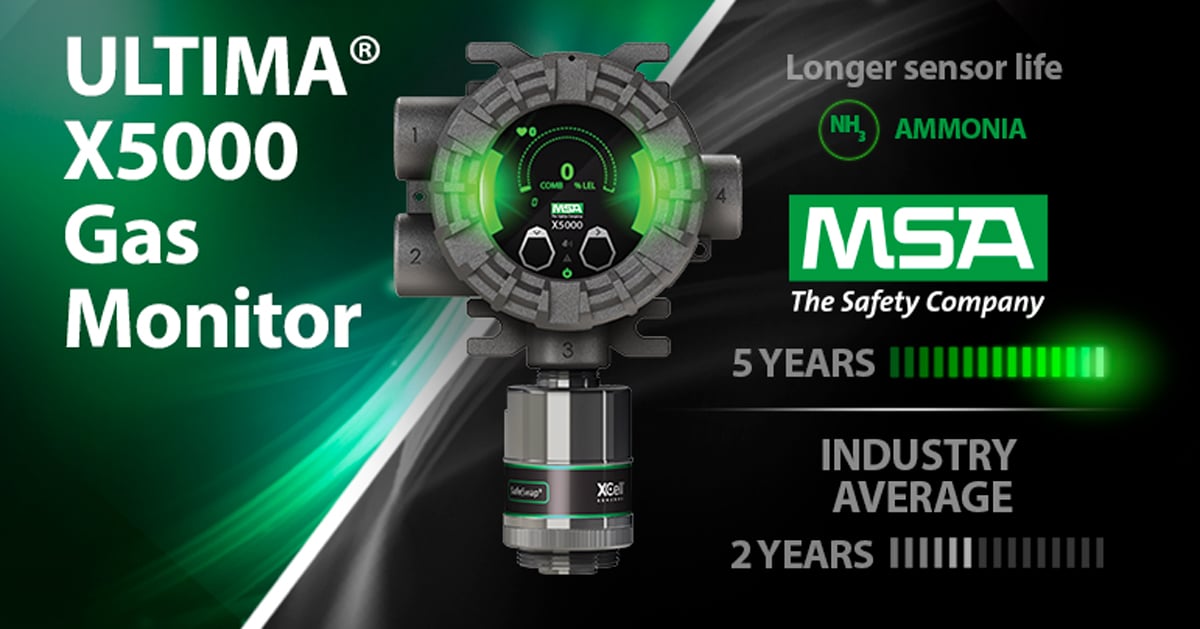














Gas Detection and Air Quality & Dust Monitoring for the Food & Beverage Industry

Shawcity provides gas detection solutions across the UK, including ammonia, CO2, refrigerant leaks, air quality air quality and dust, and fixed system solutions, helping food and beverage facilities.

Trusted by thousands of organisations across the UK, including:

astrazeneca_logo
baesystems_logo
environment_agency_logo-1
lfb_logo-1
lutonairport_logo
mclaren_logo
MOD_logo-1
NHM_logo-1
network_rail_logo-1
NHS_logo-1
octopusenergy_logo (1)
riverfood_logo (1)
UKAEA_logo (1)
UOC_logo-1
wales_west_utilities_logo-1
astrazeneca_logo
baesystems_logo
environment_agency_logo-1
lfb_logo-1
lutonairport_logo
mclaren_logo
MOD_logo-1
NHM_logo-1
network_rail_logo-1
NHS_logo-1
octopusenergy_logo (1)
riverfood_logo (1)
UKAEA_logo (1)
UOC_logo-1
wales_west_utilities_logo-1
astrazeneca_logo
baesystems_logo
environment_agency_logo-1
lfb_logo-1
lutonairport_logo
mclaren_logo
MOD_logo-1
NHM_logo-1
network_rail_logo-1
NHS_logo-1
octopusenergy_logo (1)
riverfood_logo (1)
UKAEA_logo (1)
UOC_logo-1
wales_west_utilities_logo-1
astrazeneca_logo
baesystems_logo
environment_agency_logo-1
lfb_logo-1
lutonairport_logo
mclaren_logo
MOD_logo-1
NHM_logo-1
network_rail_logo-1
NHS_logo-1
octopusenergy_logo (1)
riverfood_logo (1)
UKAEA_logo (1)
UOC_logo-1
wales_west_utilities_logo-1

Key Risks in Food & Beverage Environments Include:

 
Ammonia leaks

Ammonia leaks from refrigeration systems

CO2 build-up

CO₂ build-up in enclosed or poorly ventilated areas

Oxygen displacement

Oxygen displacement due to nitrogen used in packaging

Gas exposure

Gas exposure during cleaning and processing

Air quality issues

Air quality and dust issues affecting breathing and explosive risk

Why Gas Detection & CO₂ Monitoring is Critical

 
ammonia-icon_appl_food

Ammonia (NH₃) Gas Detection

Ammonia is widely used in refrigeration systems and can be highly toxic in high concentrations.

Early leak detection

Worker safety

Compliance with safety standards

Minimal wastage of an expensive gas resource

co2-icon_appl_food

Carbon Dioxide (CO₂) Monitoring in Food Production

CO₂ is used in carbonation, packaging, chilling and freezing processes.

Prevent harmful exposure

Maintain safe working conditions

Ensure ventilation effectiveness

Maintain product quality control

Continuous gas monitoring icon

Continuous Gas Monitoring

Continuous monitoring systems provide 24/7 visibility, helping teams detect gas risks early and respond quickly.

Real-time, early leak detection

Automated alerts and alarms

Pre-entry checks for hazardous areas

Ongoing, uninterrupted safety assurance

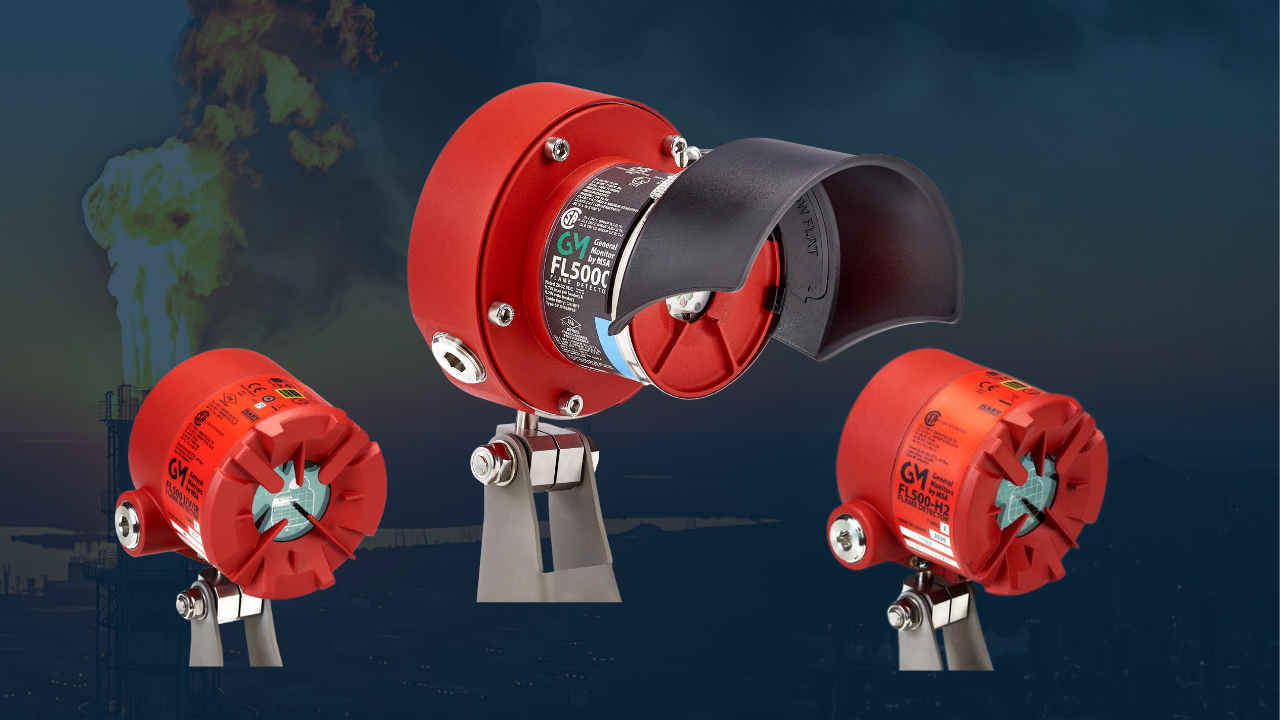
Fixed gas detection systems

web infographics (1)

50+ Years of Experience

Supporting industry with trusted monitoring solutions since 1976.

product-training-icon

Industry Experience

Deep understanding of your challenges and environments.

extensive-hire-fleet

Tailored Solutions

Equipment and services designed to meet your specific needs.

Shawcity Solutions for Food and Beverage


Ammonia Gas Detectors

  • Designed for refrigeration / cold storage environments
  • Fast response and high accuracy
  • Suitable for fixed and portable applications
Fixed Gas Detection  ➜ Portable Gas Detection  ➜
 

CO₂ Monitoring Systems

  • Real-time CO₂ measurement (ppm)
  • Ideal for production, storage, and confined areas
  • Suitable for fixed and portable applications
Fixed Gas Detection  ➜ Portable Gas Detection  ➜
 

Gas Detector Service & Calibration

  • Regular servicing to maintain accuracy
  • Calibration for compliance and reliability
  • Reduced downtime and improved safety
Service & Calibration  ➜
 

Air Quality & Dust

  • Prevent product contamination
  • Protect worker respiratory health
  • Avoid combustible dust explosions
  • Airborne dust can include flour, sugar, and spices
Air Quality & Dust Monitors  ➜

Food & Beverage Use Cases

Refrigeration system monitoring ammonia detection

CO₂ monitoring in breweries, beverage production and cellars

Managing nitrogen risk in food processing plants

Air quality and dust monitoring in bakeries and mills

Confined space monitoring during cleaning and maintenance
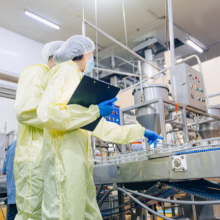
Food and beverage monitoring

Compliance & Industry Standards

We help you meet UK regulations and standards, including:

COSHH — Control of Substances Hazardous to Health

Workplace Exposure Limits — WELs

HSE guidance on gas safety

Food safety and hygiene standards


Monitoring ensures:

Worker safety

Worker
safety

Regulatory compliance

Regulatory
compliance

Reliable performance

Reliable
performance

Product quality control

Product quality
control

Special Offers

Current Sale and Product Spotlight

 
Current Sale

10% discount on all hire, service* and calibration

Save 10% on all purchase orders received for the above services before Wednesday 1st July.

Flexible hire options
Fully calibrated equipment
Manufacturer-approved servicing
View Hire Offer ➜
 

*The 10% discount only applies to services carried out in-house at Shawcity. Excludes Fixed system services.

Product Spotlight

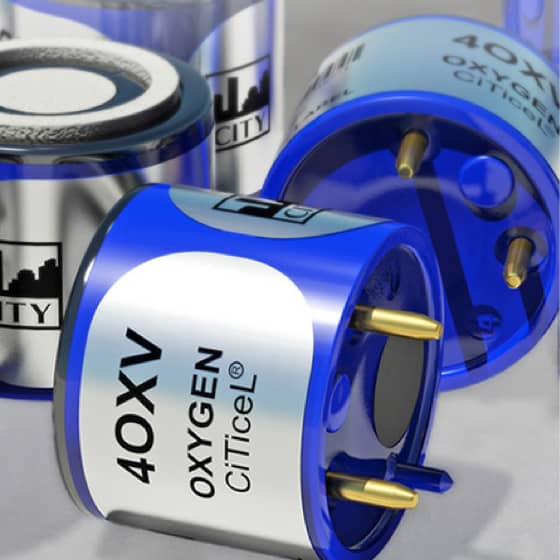
OEM Gas Sensors

Explore OEM gas sensors for integration into detection systems, instruments and specialist monitoring applications.

Designed for OEM integration and R&D
Technical product support available
Minimum order quantity of 1!
View OEM Sensors  ➜
OEM gas sensors

FAQs

What gases are monitored in the food and beverage industry?

Common gases include:

  • Ammonia (NH₃)
  • Carbon dioxide (CO₂)
  • Carbon monoxide (CO)
  • Oxygen (O₂)
Why is ammonia gas detection important in food processing?

Ammonia is toxic in high concentrations and widely used in food refrigeration systems as well as a food additive/processing agent. Detection ensures worker safety and helps prevent leaks, minimising wastage of an expensive gas resource.

What is a CO₂ monitor and how is it used in food and beverage?

A CO₂ monitor measures carbon dioxide levels in parts per million (ppm) to help assess ventilation performance and air quality in enclosed environments. 

CO2 is used to put the ‘fizz’ into beverages and to extend the shelf life of meat and produce. Itis heavier than air and in areas connected to the brewing industry, a leak can displace oxygen, creating the risk of suffocation. 

What is continuous gas monitoring?

Continuous gas monitoring involves 24/7 real-time detection of gases using fixed systems, providing ongoing safety and alerts.

How often should gas detectors be serviced?

Gas detectors should be serviced and calibrated:

  • According to manufacturer recommendations
  • Every 3–6 months is a common frequency
  • After exposure to high gas levels.
 Jenny
Jenny Nightingale
Technical Sales Specialist For Fixed Systems
 
Enquiries

Connect with us today

Speak to our team about your monitoring requirements. We can help you identify suitable equipment, services and support for your site or application.

Contact Us