

Chemical storage facilities are essential to many industries, but they also present significant safety challenges. Stored chemicals, including chlorine, ammonia, solvents, acids and industrial gases can create toxic, flammable or oxygen-deficient atmospheres if released.
Implementing the correct fixed and portable gas detection systems is a crucial part of managing these risks for providing continuous monitoring, early warning of leaks and reliable protection for workers, contractors and site operations.
Where Are Chemical Stores Found?
A chemical store is any designated area used to store hazardous substances, including:
- Manufacturing and industrial facilities
- Water and wastewater treatment plants
- Swimming pools and leisure centres
- Hospitals, laboratories and educational establishments
- Food and beverage production sites
- Warehouses and distribution centres
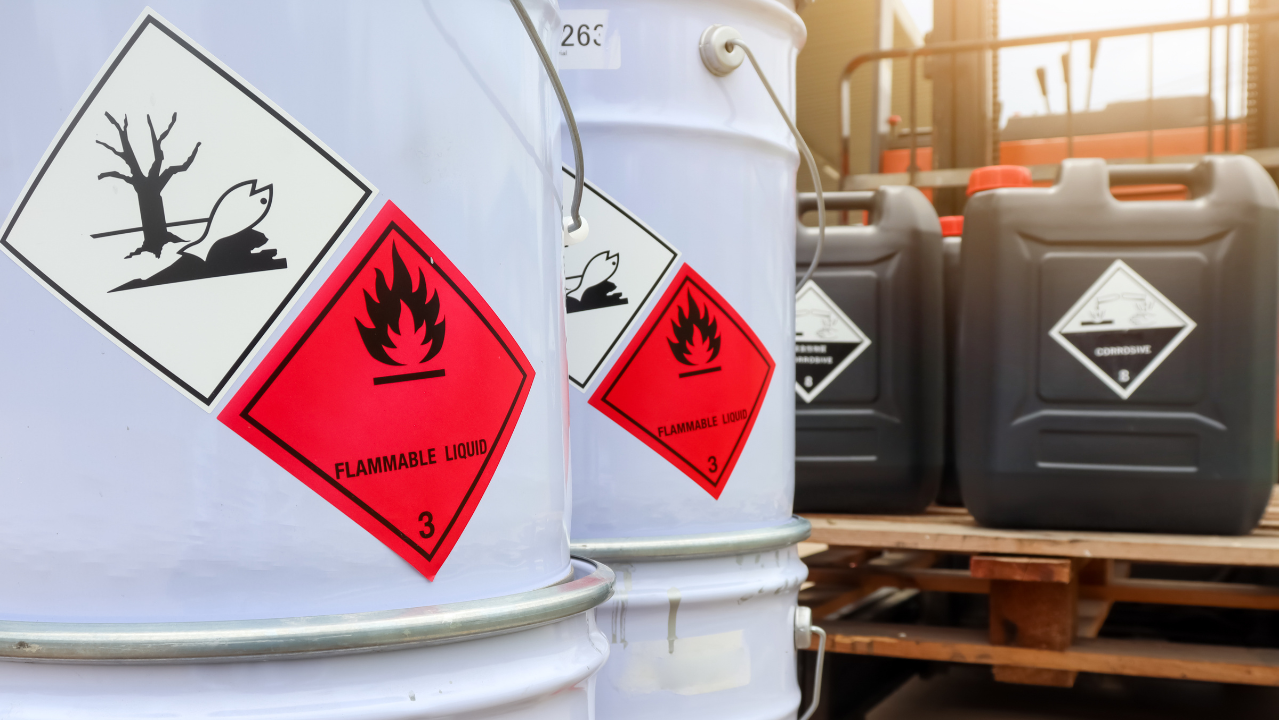
Chemicals may be stored in drums, IBCs, cylinders, tanks or dosing systems. The level of risk depends not only on the substance itself, but also how it is stored, transferred and ventilated.
Common Chemical Hazards
Different chemicals present different gas hazards, making a site-specific gas detection strategy essential.
Chlorine
Widely used in water treatment and swimming pools, chlorine is highly toxic. Products such as sodium hypochlorite and calcium hypochlorite can also release chlorine gas if they decompose or come into contact with incompatible chemicals such as acids.
Acids and Alkalis
Hydrochloric, sulphuric and nitric acids, along with sodium hydroxide and other caustic chemicals, are common in chemical stores. Accidental mixing can generate hazardous gases and corrosive atmospheres.
.png?width=732&height=412&name=Chemical%20storage%20(2).png)
Solvents and Flammable Liquids
Paints, thinners, fuels, degreasers and other solvents release flammable vapours that can create explosion risks, particularly in enclosed or poorly ventilated areas.
Ammonia and Refrigerants
Food production and refrigeration facilities often use ammonia, which is toxic and highly irritating even at relatively low concentrations.
Inert Gases
Carbon dioxide, nitrogen and other inert gases can displace oxygen, creating an invisible asphyxiation hazard in enclosed spaces.
.png?width=670&height=377&name=Chemical%20storage%20(1).png)
Why Gas Detection Matters
Hazardous gas releases often begin as small leaks from valves, pipework, cylinders or dosing equipment. Many gases are colourless and odourless, meaning exposure may occur before anyone realises there is a problem.
Effective gas detection helps protect against:
- Toxic gas exposure from substances such as chlorine, ammonia and hydrogen sulphide.
- Flammable vapour build-up before concentrations reach explosive levels.
- Oxygen depletion caused by inert gases such as nitrogen or carbon dioxide.
- Gas migration into adjacent rooms, plant areas or public spaces.
- Out-of-hours incidents, where leaks may otherwise remain undetected for hours.
Why Fixed and Portable Gas Detection Work Together
Most chemical storage facilities benefit from both fixed and portable gas detection, as each provides a different layer of protection.
Fixed Gas Detection
- Continuous 24/7 monitoring
- Detects leaks even when areas are unoccupied
- Activates alarms, ventilation or shutdown systems
- Protects known high-risk locations
Portable Gas Detection
- Protects individual workers
- Enables safe inspections and maintenance
- Verifies conditions before entering hazardous areas
- Assists with leak investigation and emergency response
Together, they provide comprehensive protection for both facilities and personnel.
A Key Part of Chemical Storage Safety
Gas detection should form part of a wider chemical safety strategy that includes:
- Chemical segregation
- Adequate ventilation
- Spill containment
- COSHH and DSEAR risk assessments
- Emergency procedures
- Staff training
- Safe storage and transfer practices
By combining these controls with the correct fixed and portable gas detection systems, organisations can identify hazardous atmospheres before they become dangerous, helping to protect people, maintain compliance and minimise operational disruption.
Fixed and Portable Gas Detection Solutions from Shawcity
Choosing the right gas detection solution depends on understanding the specific risks within a facility, the chemicals present and how the area is used. Shawcity provides expert advice, supply, calibration and support for a wide range of fixed and portable gas detection systems, helping organisations protect their people and maintain safe working environments.
From fixed monitoring systems designed to provide continuous protection in chemical stores, plant rooms and process areas, to portable gas detectors that support personal safety during maintenance, inspections and emergency response, Shawcity helps customers implement reliable, site-specific gas detection strategies.
With over 50 years’ experience supporting industries including water treatment, manufacturing, food and beverage, healthcare and industrial facilities, Shawcity works with leading gas detection manufacturers to deliver practical solutions backed by technical expertise and ongoing service support.

.png)


 01367 899553
 info@shawcity.co.uk