


















Landfill Gas Monitoring & Gas Detection for Waste & Recycling

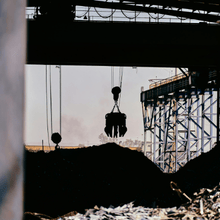
Waste and recycling operations present unique environmental and safety challenges, particularly around landfill gas and emissions monitoring.

Trusted by thousands of organisations across the UK, including:

astrazeneca_logo
baesystems_logo
environment_agency_logo-1
lfb_logo-1
lutonairport_logo
mclaren_logo
MOD_logo-1
NHM_logo-1
network_rail_logo-1
NHS_logo-1
octopusenergy_logo (1)
riverfood_logo (1)
UKAEA_logo (1)
UOC_logo-1
wales_west_utilities_logo-1
astrazeneca_logo
baesystems_logo
environment_agency_logo-1
lfb_logo-1
lutonairport_logo
mclaren_logo
MOD_logo-1
NHM_logo-1
network_rail_logo-1
NHS_logo-1
octopusenergy_logo (1)
riverfood_logo (1)
UKAEA_logo (1)
UOC_logo-1
wales_west_utilities_logo-1
astrazeneca_logo
baesystems_logo
environment_agency_logo-1
lfb_logo-1
lutonairport_logo
mclaren_logo
MOD_logo-1
NHM_logo-1
network_rail_logo-1
NHS_logo-1
octopusenergy_logo (1)
riverfood_logo (1)
UKAEA_logo (1)
UOC_logo-1
wales_west_utilities_logo-1
astrazeneca_logo
baesystems_logo
environment_agency_logo-1
lfb_logo-1
lutonairport_logo
mclaren_logo
MOD_logo-1
NHM_logo-1
network_rail_logo-1
NHS_logo-1
octopusenergy_logo (1)
riverfood_logo (1)
UKAEA_logo (1)
UOC_logo-1
wales_west_utilities_logo-1

Waste & Recycling Industry Risks Include:

 
Methane risk

Methane (CH₄)
build-up in
landfill sites

Carbon dioxide risk

Carbon dioxide (CO₂)
and oxygen
displacement

Hydrogen sulphide exposure

Hydrogen sulphide
(H₂S) exposure

Mercury exposure

Mercury (Hg)
exposure

Gas migration risk

Gas migration into
surrounding areas

Waste processing emissions

Emissions from waste
processing and
incineration

What are landfill gases & why monitor them?

Landfill gases are produced by the decomposition of organic waste.

Common landfill gases include:

Methane icon

Methane
(CH₄)

Carbon dioxide icon

Carbon dioxide
(CO₂)

Hydrogen sulphide icon

Hydrogen
sulphide (H₂S)

VOC icon

Trace volatile
organic compounds
(VOCs)

Why is landfill gas monitoring important?

Methane is flammable and explosive

Some gases are toxic to humans

Gas migration can impact nearby buildings and environments

Monitoring ensures early detection, risk management, and compliance.

Special Offers

Current Sale and Product Spotlight

 
Current Sale

10% discount on all hire, service* and calibration

Save 10% on all purchase orders received for the above services before Wednesday 1st July.

Flexible hire options
Fully calibrated equipment
Manufacturer-approved servicing
View Hire Offer ➜
 

*The 10% discount only applies to services carried out in-house at Shawcity. Excludes Fixed system services.

Product Spotlight

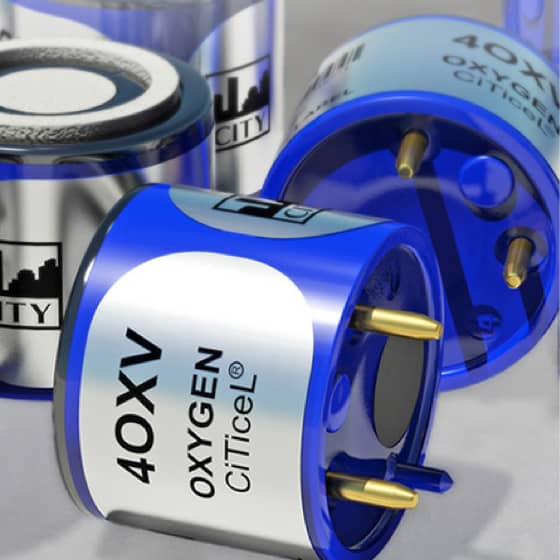
OEM Gas Sensors

Explore OEM gas sensors for integration into detection systems, instruments and specialist monitoring applications.

Designed for OEM integration and R&D
Technical product support available
Minimum order quantity of 1!
View OEM Sensors  ➜
OEM gas sensors
web infographics (1)

50+ Years of Experience

Supporting industry with trusted monitoring solutions since 1976.

product-training-icon

Industry Experience

Deep understanding of your challenges and environments.

extensive-hire-fleet

Tailored Solutions

Equipment and services designed to meet your specific needs.

Shawcity Solutions for Landfill and Waste Gas Monitoring


Landfill Gas Monitoring Equipment

  • Reliable monitoring of methane (CH4), carbon dioxide (CO2) and oxygen (O2)
  • Suitable for long-term and continuous monitoring
  • Supports environmental compliance and reporting
  • Monitor contaminated land for potential brownfield redevelopment
Ground Gas / Contaminated Land  ➜
 

Portable Gas Detection

  • Multi-gas detection for on-site safety
  • Ideal for inspections, surveys and maintenance
  • Durable for outdoor and harsh environments
Portable Gas Detectors  ➜
 

Remote Gas Monitoring & Data Collection

  • Supports remote gas monitoring
  • Shortens landfill studies with continuous data collection
  • Improves operational efficiency and compliance
View Remote Monitoring  ➜
 

Fixed Gas Detection

  • Widely used in waste recycling centres
  • Toxic gas risks, including hydrogen sulphide (H2S)
  • Asphyxiation risks from carbon dioxide (CO2)
  • Support for tipping floors, bunker areas and leachate tanks
  • Suitable for composting facilities and AD plants
View Fixed Gas Detection  ➜

Waste & Recycling Use Cases

Landfill gas monitoring and risk assessment

Methane monitoring on landfill sites

Gas detection during waste processing and recycling centres

Monitoring emissions from incineration facilities

Environmental monitoring for compliance reporting

Waste and recycling industry

Compliance & Environmental Standards

Waste and recycling operations must comply with UK regulations, including:

Environmental Protection Act

Environment Agency guidelines

COSHH regulations

Landfill gas risk management guidance


Monitoring ensures:

Environmental protection icon

Environmental protection

Worker safety icon

Worker safety

Regulatory compliance icon

Regulatory compliance

FAQs

What gases do landfills produce?

Landfills typically produce:

  • Methane (CH₄)
  • Carbon dioxide (CO₂)
  • Hydrogen sulphide (H₂S)
  • VOCs
Is landfill gas toxic?

Yes, landfill gas can be toxic depending on its composition. Some gases can cause health issues from irritants to longer-term health issues, or pose explosion risks.

Why is methane monitoring important in landfills?

Methane is flammable and can accumulate to dangerous levels. Monitoring helps prevent explosions and environmental harm.

How is methane collected from landfills?

Methane is collected using gas extraction systems, including wells and pipe networks, and can be used for energy generation.

What is landfill gas monitoring?

Landfill gas monitoring involves measuring gas levels to assess environmental impact and ensure safety.

Some technology options can monitor continuously and unmanned for up to three months. They can also monitor atmospheric pressure and temperature, even water depth. 

What gas is produced by landfills?

 The primary gas produced is methane, along with carbon dioxide and trace gases such as nitrogen, oxygen, ammonia and sulphides. 

What gases do incinerators produce?

Incinerators can produce gases such as CO₂, nitrogen oxides (NOx), and other emissions depending on the waste type.

Abby_v1
Abby Kingstree
Business Development Manager
 
Enquiries

Connect with us today

Speak to our team about your monitoring requirements. We can help you identify suitable equipment, services and support for your site or application.

Contact Us