

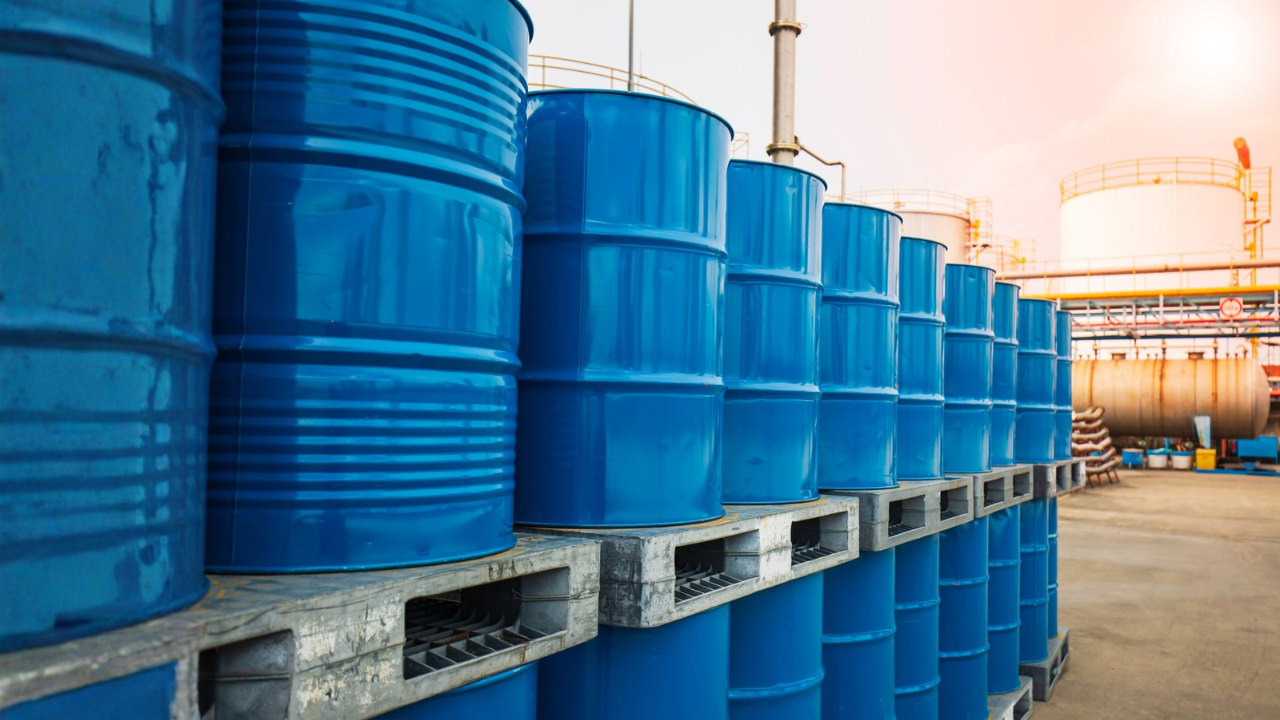
When a chemical tanker arrives at a distribution facility even a routine delivery can introduce significant risks if a hose fails, vapours escape or incompatible chemicals are transferred.
Across UK supply chains, chemical transport, storage and handling require different safety measures depending on the substances involved and the activities undertaken.
For logistics operators, warehouse managers and HSE professionals, understanding these hazards is essential to protecting workers and maintaining safe operations.
What Are the Main Hazards in Chemical Logistics?
Chemical logistics covers road transport, tanker loading, warehousing, drum and intermediate bulk container (IBC) handling, and bulk liquid transfers. There a few common hazards that impose risk, such as:
Toxic Gases and Vapours
Leaks during chemical transfer, damaged containers or maintenance activities can release hazardous gases and vapours, such as ammonia, chlorine and certain solvents that can present inhalation hazards. The severity depends on the chemical, concentration, exposure duration and ventilation.
Where airborne exposure is possible, appropriate containment, ventilation and substance-specific monitoring may be required.
Flammable Atmospheres
Flammable vapours may escape during solvent transfers, tanker unloading or storage operations. If sufficient vapour accumulates near an ignition source, a fire or explosion may occur.
Risk assessments should consider potential release points, ventilation, ignition control and whether suitable flammable gas detection is necessary.
Oxygen Deficiency
Nitrogen and other inert gases used for tank blanketing or purging can displace oxygen, particularly in enclosed or poorly ventilated areas.
Oxygen monitoring may help identify hazardous conditions, although it cannot determine which gas caused the displacement.
Chemical Spills and Contamination
Damaged IBCs, leaking drums and failed connections can expose workers to hazardous substances and contaminate surrounding areas.
Suitable segregation, secondary containment, spill procedures and emergency arrangements help reduce these risks.
Confined Space Maintenance
Tank cleaning and inspection can involve oxygen-deficient, toxic or flammable atmospheres.
Where confined space risks exist, employers must assess the work, avoid entry where reasonably practicable and implement appropriate controls, atmospheric testing and rescue arrangements.
UK Regulations for Chemical and Dangerous-Goods Logistics
Several regulatory frameworks apply to chemical supply chains, depending on the operation.
Carriage of Dangerous Goods and ADR
The Carriage of Dangerous Goods and Use of Transportable Pressure Equipment Regulations 2009, as amended, govern relevant dangerous goods carriage in Great Britain.
ADR 2025 sets requirements for road transport, including classification, packaging, documentation, training and loading or unloading responsibilities.
Businesses involved in relevant activities may require a Dangerous Goods Safety Adviser (DGSA), subject to applicable exemptions.
COSHH
The Control of Substances Hazardous to Health Regulations require employers to assess and adequately control exposure to hazardous substances.
This includes chemical handling, maintenance and other workplace activities where inhalation or skin contact may occur.
DSEAR
The Dangerous Substances and Explosive Atmospheres Regulations address fire and explosion risks associated with dangerous substances, including flammable gases, vapours and certain combustible dusts.
Chemical Storage and COMAH
HSE's HSG71 provides guidance on packaged chemical storage, including segregation, fire precautions and emergency planning.
The Control of Major Accident Hazards Regulations (COMAH) apply to establishments meeting specified dangerous-substance thresholds, rather than every chemical warehouse.
Dangerous goods transport classifications and workplace hazardous-substance classifications are different and must not be treated as interchangeable.
Northern Ireland has different arrangements for certain chemical classification and transport requirements.
Managing Risks During Transport, Storage and Handling
Tanker Loading and Unloading
Before transferring chemicals, operators should verify the substance, receiving vessel, equipment compatibility and available capacity.
Transfer procedures should address hose integrity, leakage, overfilling and emergency shutdown.
Flammable substances may also require ignition-source control and measures to manage electrostatic hazards.
Chemical Warehousing
Warehouses should segregate incompatible substances and maintain suitable storage, ventilation and containment arrangements.
Routine inspections can identify damaged packaging, leaks and unsafe storage conditions.
Where credible atmospheric hazards exist, appropriate monitoring may support the wider safety measures.
Bulk Chemical Transfers
Pumps, valves and connections can become release points during liquid transfer.
Closed systems, suitable ventilation and established operating procedures help control exposure.
Monitoring requirements depend on the chemical, potential release concentrations and working environment.
The Role of Gas Detection and Occupational Monitoring
Different monitoring technologies provide information about different hazards.
- Personal gas detectors: Monitor specified gases around workers undertaking relevant activities.
- Portable multi-gas monitors: Support atmospheric assessments where installed sensors match the identified hazards.
- Fixed gas detection: Provides continuous monitoring and alarms at selected locations.
- VOC monitors: Photoionisation detectors (PIDs) can detect compatible volatile organic compounds but do not automatically identify individual chemicals.
- Oxygen monitors: Measure oxygen concentration where displacement or deficiency is a credible risk.
- Occupational air sampling: Collects samples for exposure assessment, often requiring laboratory analysis.
A standard four-gas detector cannot detect every hazardous chemical. Similarly, general dust monitors do not identify the chemical composition of airborne particles.
Monitoring equipment must be selected according to the substance, required detection range, sensor compatibility and operating conditions.
Gas detection supports risk management but does not replace containment, ventilation or safe working procedures.
How Shawcity Can Support Chemical Logistics Operations
Shawcity supplies gas detection and occupational hygiene equipment for workplaces handling hazardous substances.
Relevant solutions include:
- ION Science Tiger XT: Handheld VOC monitoring for compatible solvent vapours and other detectable compounds.
- Portable and personal gas detectors: Configurable monitoring for selected toxic gases, flammable atmospheres and oxygen hazards.
- Fixed gas detection systems: Continuous monitoring for identified release risks in suitable industrial locations.
- Sensidyne air sampling pumps: Equipment supporting occupational exposure assessment with appropriate sampling methods.
Our team can help identify suitable monitoring equipment based on the chemicals handled, operational conditions and monitoring objectives.
Supporting Safer Chemical Supply Chains
Chemical logistics involves different risks at every stage, from road transport and tanker unloading to warehousing and maintenance.
Effective risk management starts with understanding the substances involved, identifying potential exposure routes and implementing appropriate controls.
Where atmospheric hazards have been identified, suitable gas detection and occupational monitoring can provide additional information to support worker safety.
Explore Shawcity's gas detection and monitoring solutions or contact our team to discuss your chemical logistics requirements.
Sources




 01367 899553
 info@shawcity.co.uk