

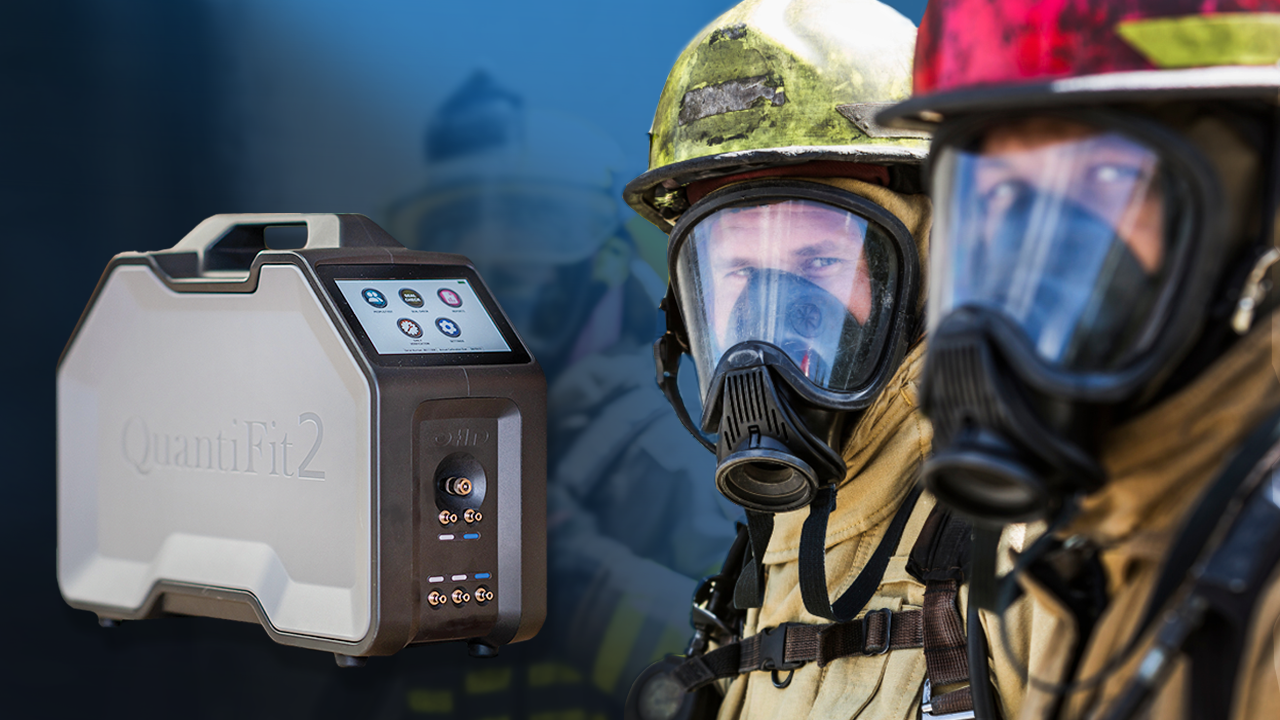
Firefighters face a demanding range of occupational health and safety challenges, from the immediate dangers of responding to incidents to the longer-term health risks associated with exposure to hazardous substances.
An article published by IOSH Magazine, OSH challenges facing UK firefighters, highlights the wider occupational safety challenges confronting the UK's fire service. These challenges reinforce the importance of taking a proactive approach to protecting emergency personnel, including ensuring that respiratory protective equipment (RPE) is suitable for the wearer and fits correctly.
Providing respiratory protection is only part of the solution. Ensuring it fits properly is essential to helping protect those who protect us.
Why respiratory fit testing matters
From tackling structural fires to attending hazardous materials incidents, emergency responders can encounter smoke, airborne particulates and potentially toxic substances. Exposure can pose both immediate and long-term health risks, making effective respiratory protection a critical consideration.
However, even a high-performance respirator cannot provide its intended level of protection if it does not fit the wearer correctly. Gaps around the face seal can allow contaminants to enter, potentially exposing personnel to hazardous substances.
Quantitative face fit testing provides an objective assessment of how well a tight-fitting respirator seals against an individual's face. It helps organisations identify unsuitable masks, select appropriate alternatives and establish whether the chosen RPE achieves the required fit.
For emergency services, where reliable equipment and well-prepared personnel are essential, this is a vital part of an effective respiratory protection programme.
Why emergency services are turning to OHD QuantiFit2
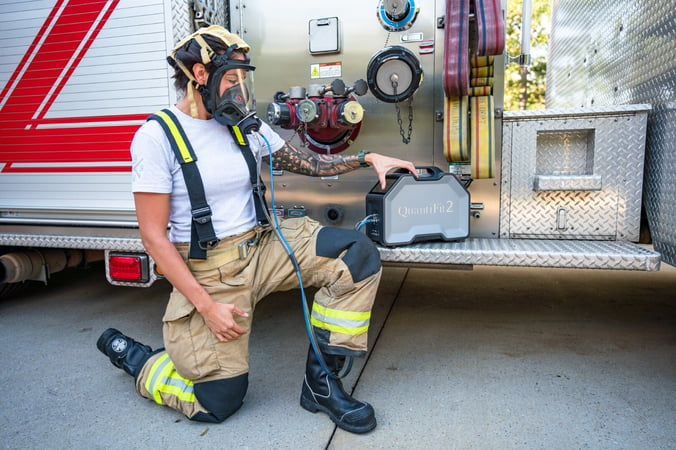
OHD's QuantiFit2 quantitative respirator fit tester offers an efficient approach to fit testing, helping organisations manage the practical demands of testing personnel across teams and locations.
Using Controlled Negative Pressure (CNP) technology, QuantiFit2 measures respirator leakage directly. The method does not rely on an aerosol challenge agent, alcohol solutions or disposable test probes.
Key benefits for emergency services include:
- Fast testing: Fit tests can be completed in under two minutes, helping reduce the time personnel spend away from operational duties.
- Results: Quantitative testing provides a measurable assessment of respirator fit.
- No routine aerosol-testing consumables: CNP testing avoids the consumables associated with aerosol-based methods.
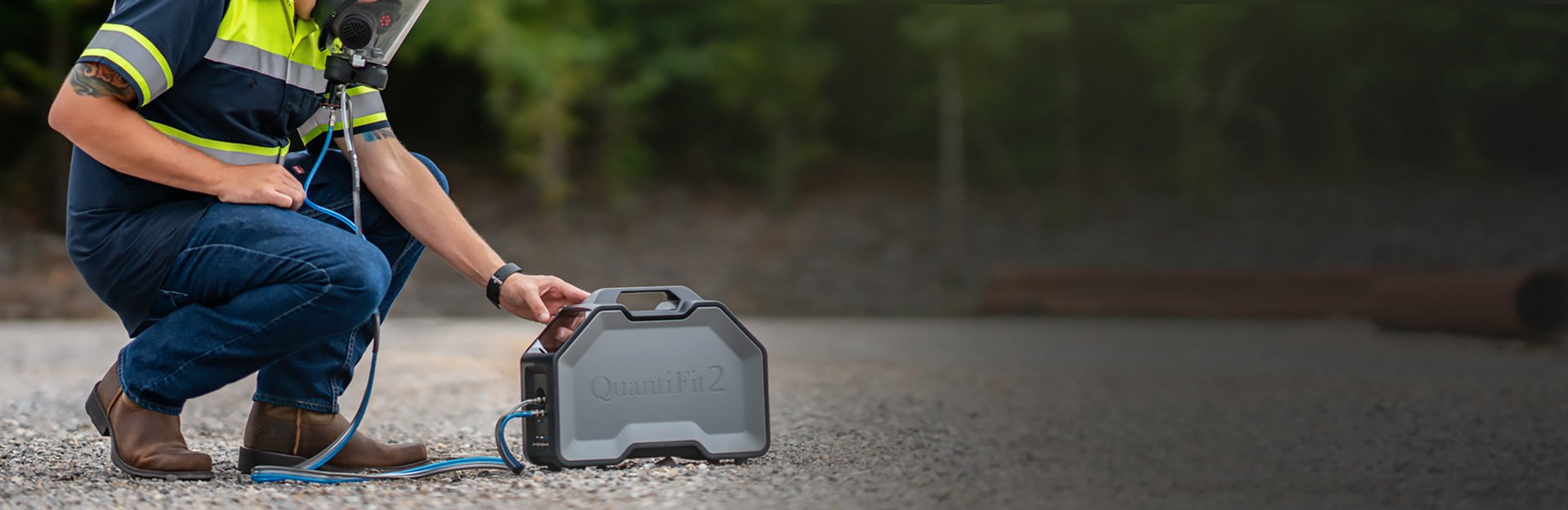
- Portability: The system can support testing at suitable operational locations, helping services organise sessions around shifts and team requirements.
- Support for fit testing programmes: Testing and record-keeping help organisations manage respirator suitability and identify when reassessment is needed.
These features make QuantiFit2 a practical option for emergency services looking to improve the efficiency of their fit testing programmes.
Trusted by organisations in demanding operational environments
OHD fit testing technology has been adopted by organisations including the US
Navy, the FBI and the New York City Police Department (NYPD).
These examples demonstrate the relevance of quantitative fit testing across a range of operational environments where respiratory protection forms an important part of personnel safety.
For UK fire and rescue services, and other emergency response organisations, the challenge is to ensure that respiratory protection programmes are practical, consistent and appropriate for the risks personnel face.
QuantiFit2 can help support this process by providing an objective assessment of respirator fit in a rapid testing format. It does not replace appropriate RPE selection, wearer training or correct donning procedures, but it provides an important part of the overall protection programme.
Making respiratory protection a priority
The occupational health challenges facing firefighters deserve continued attention, including the measures organisations can take to reduce avoidable exposure to hazardous substances.
As highlighted by IOSH Magazine, protecting emergency personnel involves looking beyond the immediate demands of responding to incidents. Effective respiratory protection, supported by appropriate fit testing, is one practical way organisations can help safeguard their teams.
Shawcity is the UK and Ireland's exclusive distributor of OHD's QuantiFit2, supporting organisations looking to implement or improve their quantitative face fit testing arrangements.
Contact Shawcity to discuss your emergency service's fit testing requirements and fit testing trade in offers available.
info@shawcity.co.uk
01367 899553



 01367 899553
 info@shawcity.co.uk